

2025 Impact Report
Honoring the Past. Inspiring Action. Building a Just Future
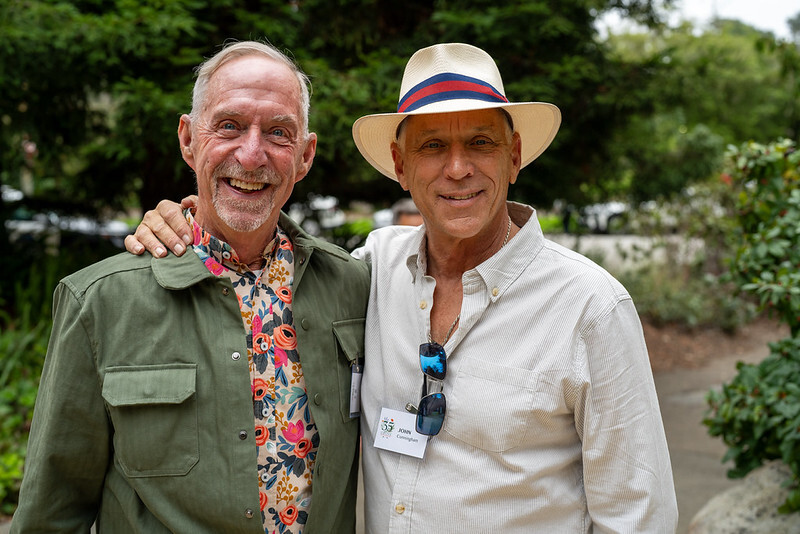
Letter from the CEO & Board Chair
For more than three decades, the National AIDS Memorial has stood as a powerful testament to remembrance, resilience, and community.
What began as a grassroots movement to honor those lost to HIV/AIDS has grown into a national institution dedicated not only to memory, but also to education, advocacy, and healing. Today, the National AIDS Memorial is more than a place or a collection of artifacts. It is a living community — one that connects generations, inspires action, and ensures that the history of the HIV/AIDS epidemic continues to inform our pursuit of a more just and healthy society for all.
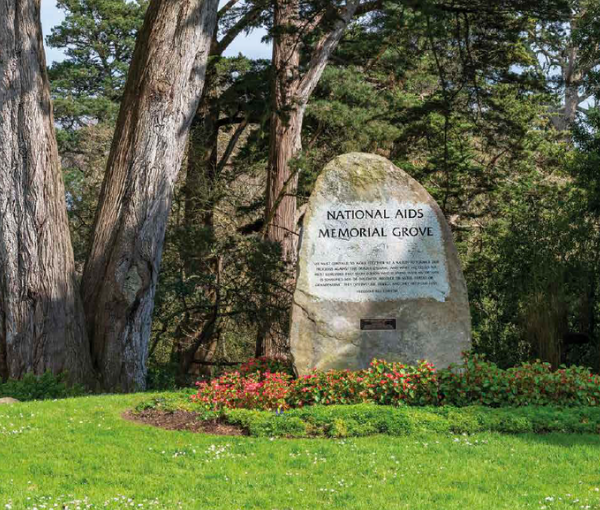
Every day, visitors from around the world come to the National AIDS Memorial Grove in San Francisco’s Golden Gate Park to reflect, remember, and connect with the lives represented by the AIDS Memorial Quilt. Through our programs, storytelling initiatives, and educational efforts, we work to ensure that the lessons of the epidemic remain a catalyst for compassion, justice, and community action.
Over the past year, our community has continued to grow and deepen its impact. Volunteers have come together to steward the Grove as a sacred space of reflection and care. Quilt panels have traveled across the country, reaching new audiences and preserving the stories of those lost. Our Surviving Voices storytelling programs have elevated the lived experiences of people impacted by HIV/AIDS, while our scholarship programs have supported the next generation of leaders committed to health and social justice.
This report reflects the collective work of our community — volunteers, donors, partners, and advocates — whose commitment ensures that the National AIDS Memorial continues to honor the past while shaping the future.
We are proud to support this work and deeply grateful to all who make it possible. Thank you for helping carry this mission forward.
John B. Cunningham,
Chief Executive Officer

Mike Richey,
Board Chair
Impact at a Glance
In 2025, the National AIDS Memorial community continued to honor the past while inspiring action for the future.
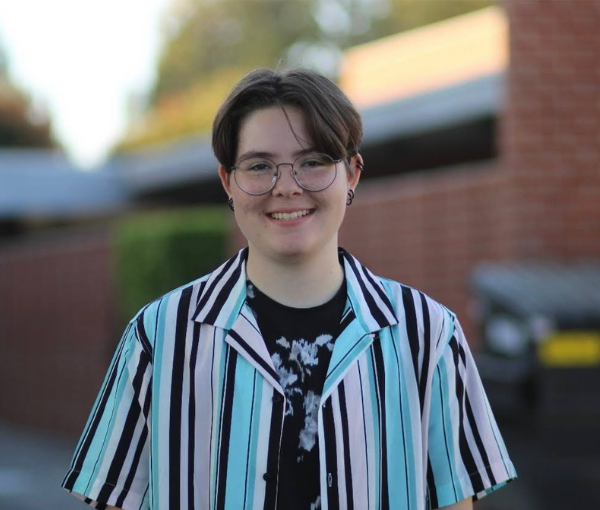
Supporting young health and social justice activists across the country.
Protecting the largest community folk art project in the world.

Sharing the stories of the HIV/AIDS epidemic across more than 500 communities nationwide.
Community
Who We Are
More than simply a Grove or a Quilt, the National AIDS Memorial is a convener and connector of individuals from a wide range of backgrounds. This community is drawn together through a common passion: health and social justice.
From Community Volunteer Workdays in San Francisco’s National AIDS Memorial Grove to AIDS Memorial Quilt displays in communities across the United States, the Memorial’s work brings people together through a shared commitment to remembrance and action.
“A lot of young people are disconnected from the reality and horrors of what happened. Having this space to share stories and experiences is vital in reminding younger generations of the struggles of our elders, and the privileges they fought for us to have. I am grateful to learn from and be involved in this safe, multi-generational community. It is our duty to maintain this sacred space, gather, and remember.”
- Johann Joson, National AIDS Memorial Grove volunteer
“Helping mend and display the Quilt creates an act of ritual for remembering that HIV/AIDS is still not gone and has affected thousands of people across the world… Most importantly, the ritual helps us remember someone’s loved one and keep their memory alive. It’s important to do the act of taking care of the Quilt and not forget why they were made in the first place.”
- Sarah Fisher, AIDS Quilt volunteer
Each year, this growing community contributes to the ongoing stewardship and impact of the Memorial:
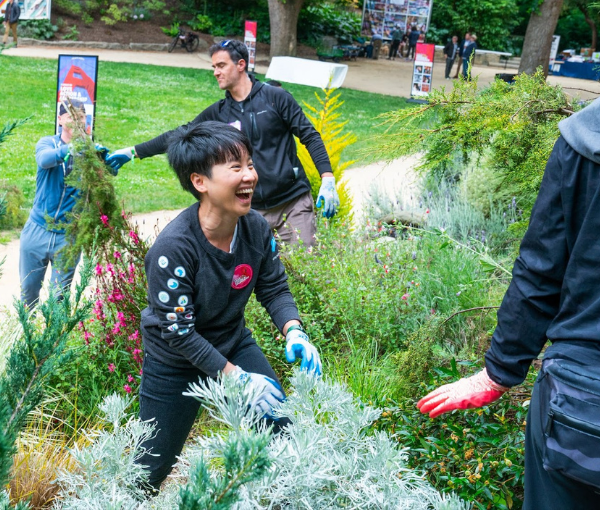
Our partners range from local schools and community organizations to national cultural institutions such as the Library of Congress and the City of San Francisco. Our volunteers include long-term survivors of HIV, family members honoring loved ones, and young activists born decades after the earliest years of the epidemic.
Like the National AIDS Memorial Grove itself, our community is a thriving ecosystem that supports its existing roots and branches while continuing to expand.
Programs
Why Our Mission Matters
The National AIDS Memorial community changes the world around it through programs that directly create and inspire change.
The National AIDS Memorial Grove and AIDS Memorial Quilt honor the past by memorializing lives lost to HIV/AIDS. At the same time, programming surrounding these spaces shapes the lives of those still with us today by illustrating the power of collective action in the face of injustice.
“For Rick’s ashes to be amongst the community is so important. From distributing pamphlets on safe sex in the bathhouses to being a key organizer in the March on Washington for Lesbian and Gay Rights, being an activist for this community was such an essential part of his life. It’s vitally important to have the Grove as a way to honor those we’ve lost.”
- Ric Pielstick, who spread the ashes of his husband, Rick, in the National AIDS Memorial Grove this year.
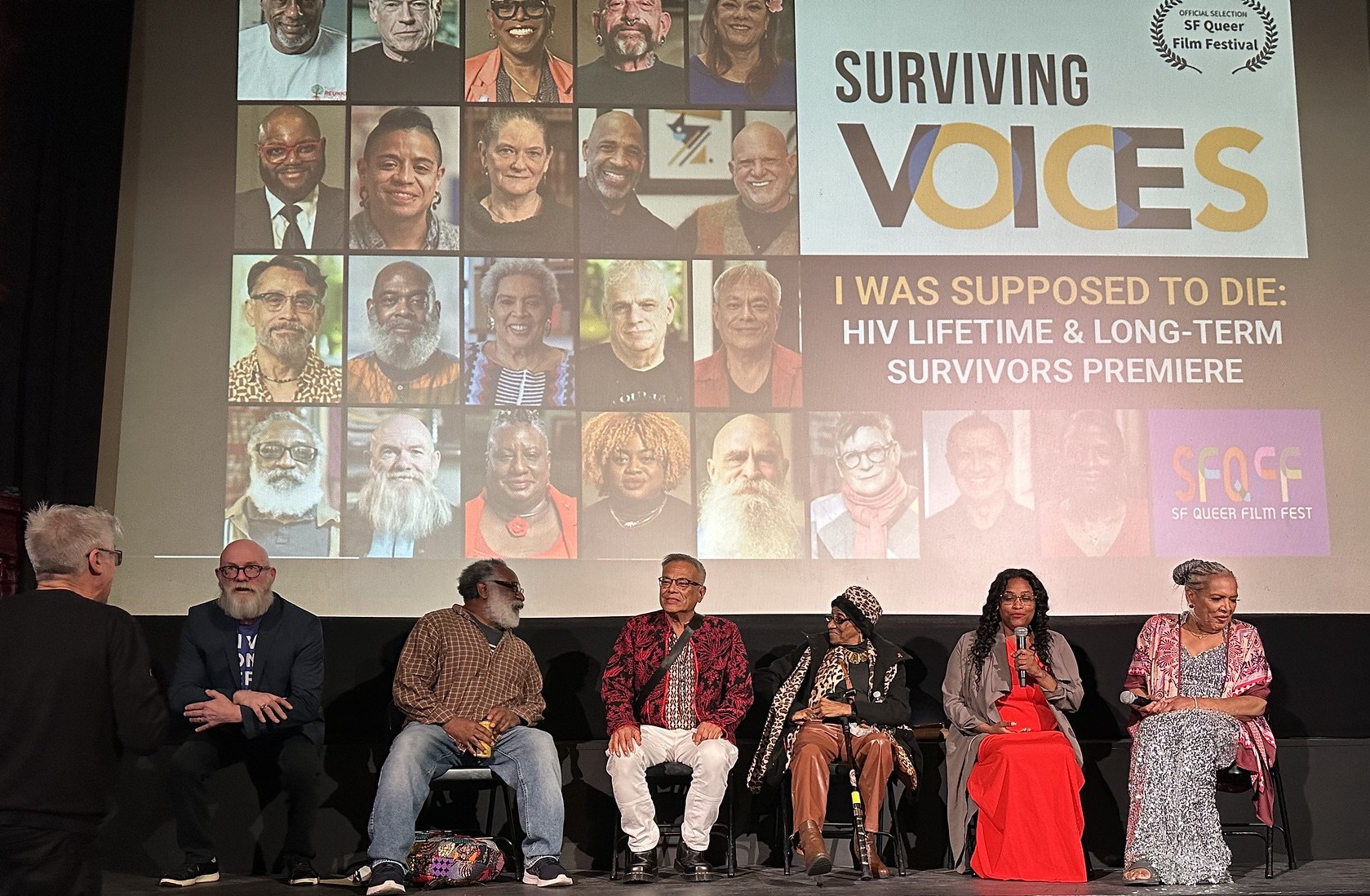
Our storytelling programs, including the Surviving Voices documentary series, bring the deeply human experiences of the HIV/AIDS epidemic to new audiences. These stories inspire viewers to confront stigma, denial, and inequity in their own communities.
“We went through this terrible time and then had to piece our lives back together. We had this moment where we were like, ‘Did that really happen?’ We felt this sense of duty to be the carriers and share the stories of those who didn't make it through. Their stories matter. Our stories matter,”
- Gregg Cassin, Surviving Voices Interviewee.
Our scholarship programs empower the next generation of changemakers by supporting students working at the intersection of health equity and social justice.
Together, these programs provide our community with the tools, inspiration, and support needed to make a meaningful difference.
Impact in Action
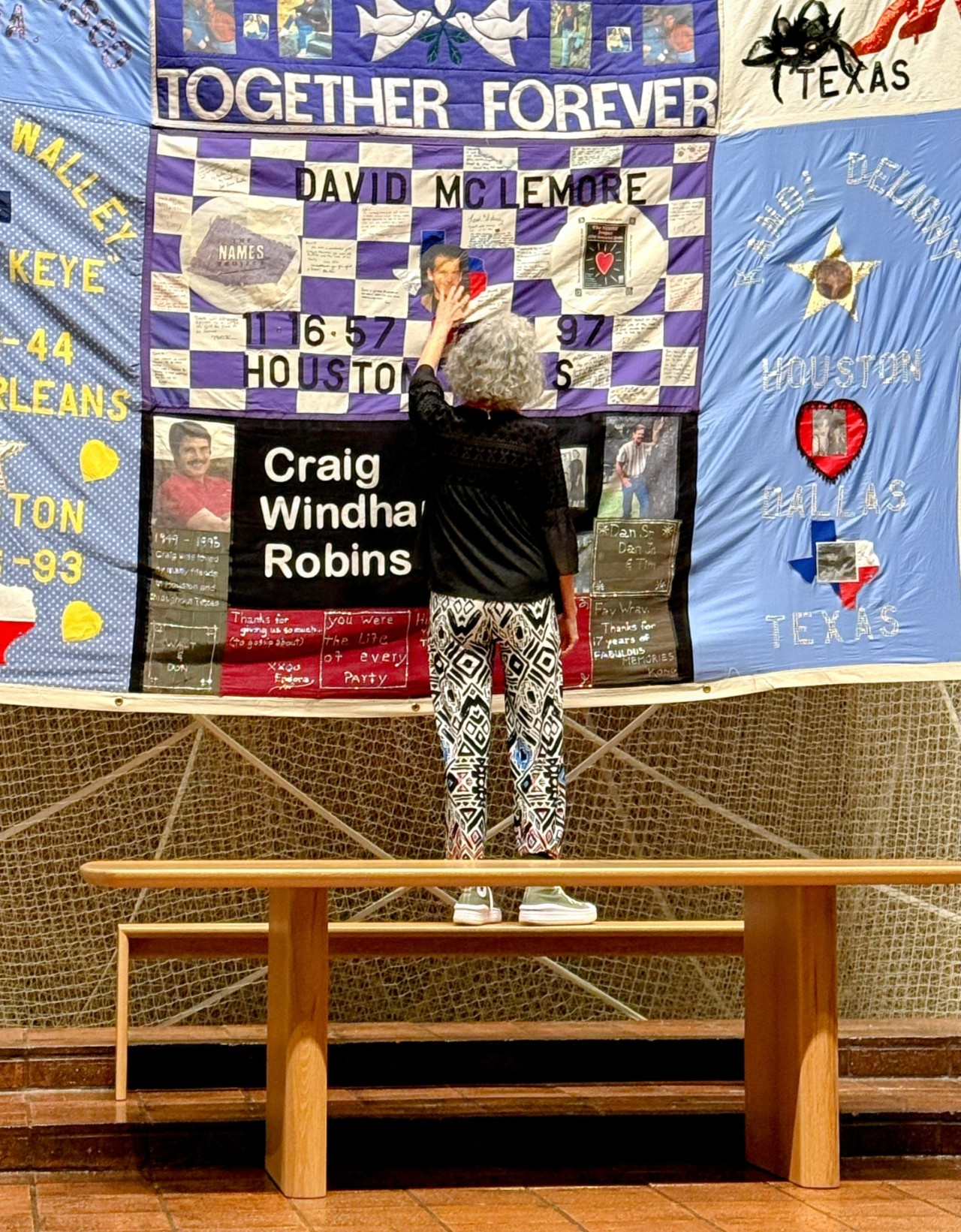
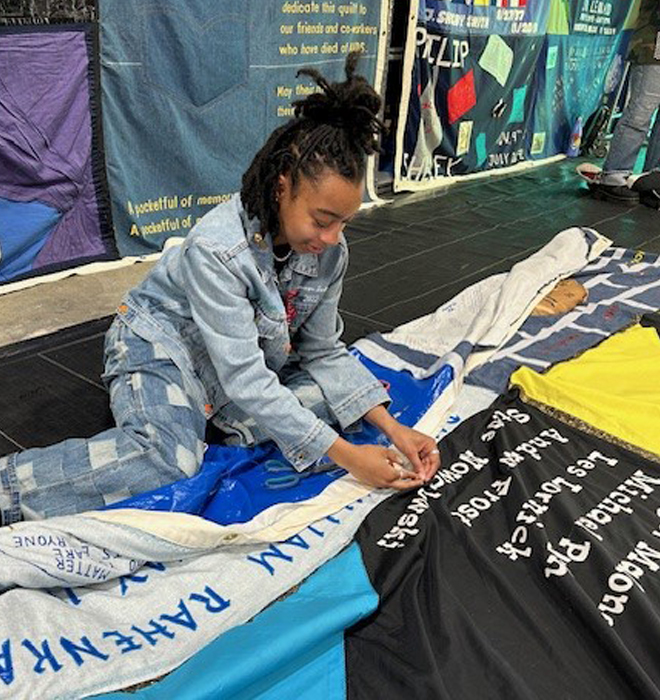
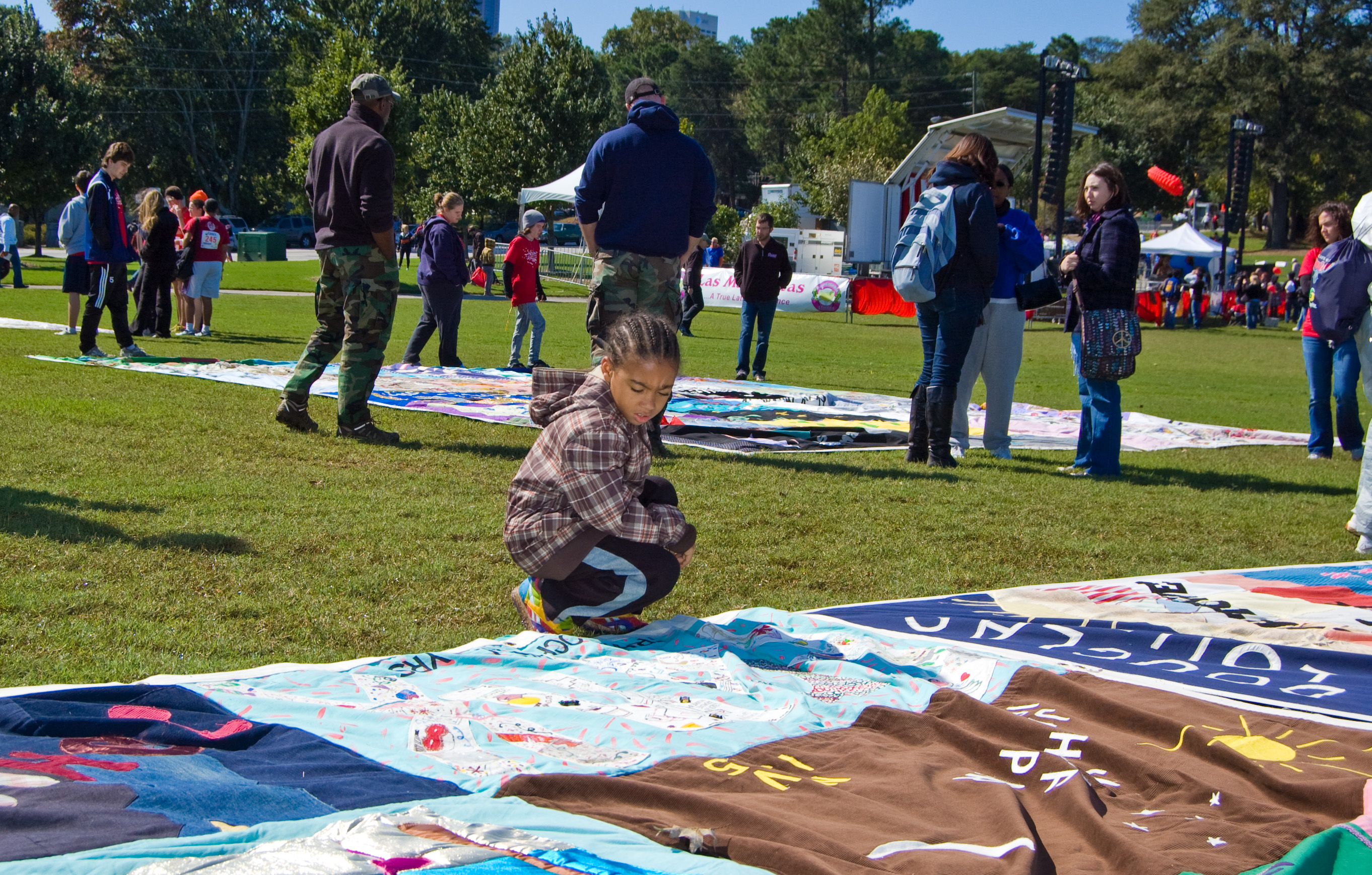
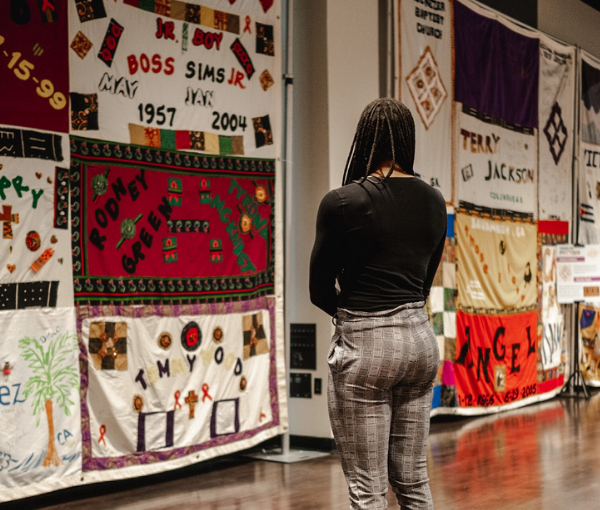
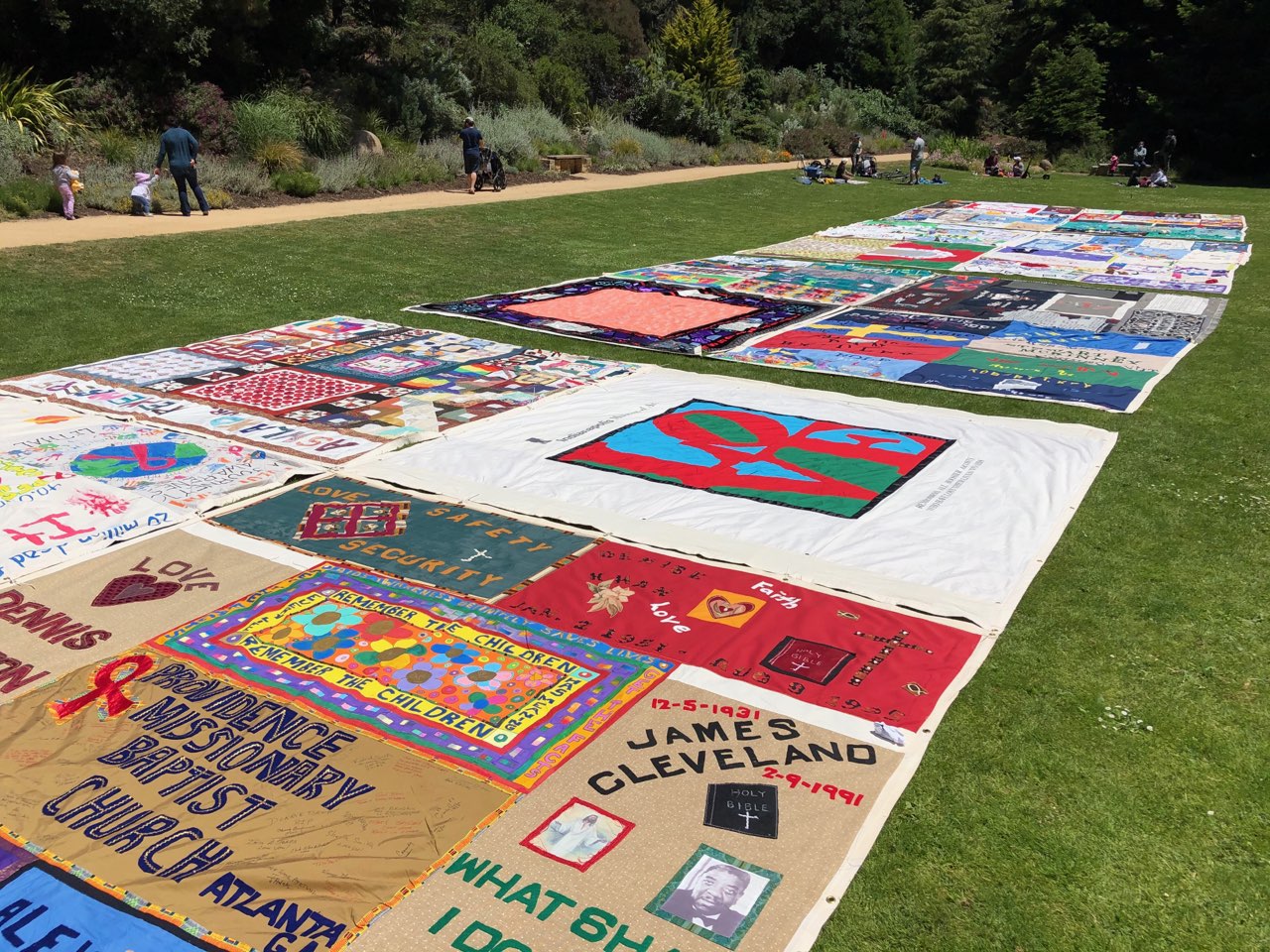
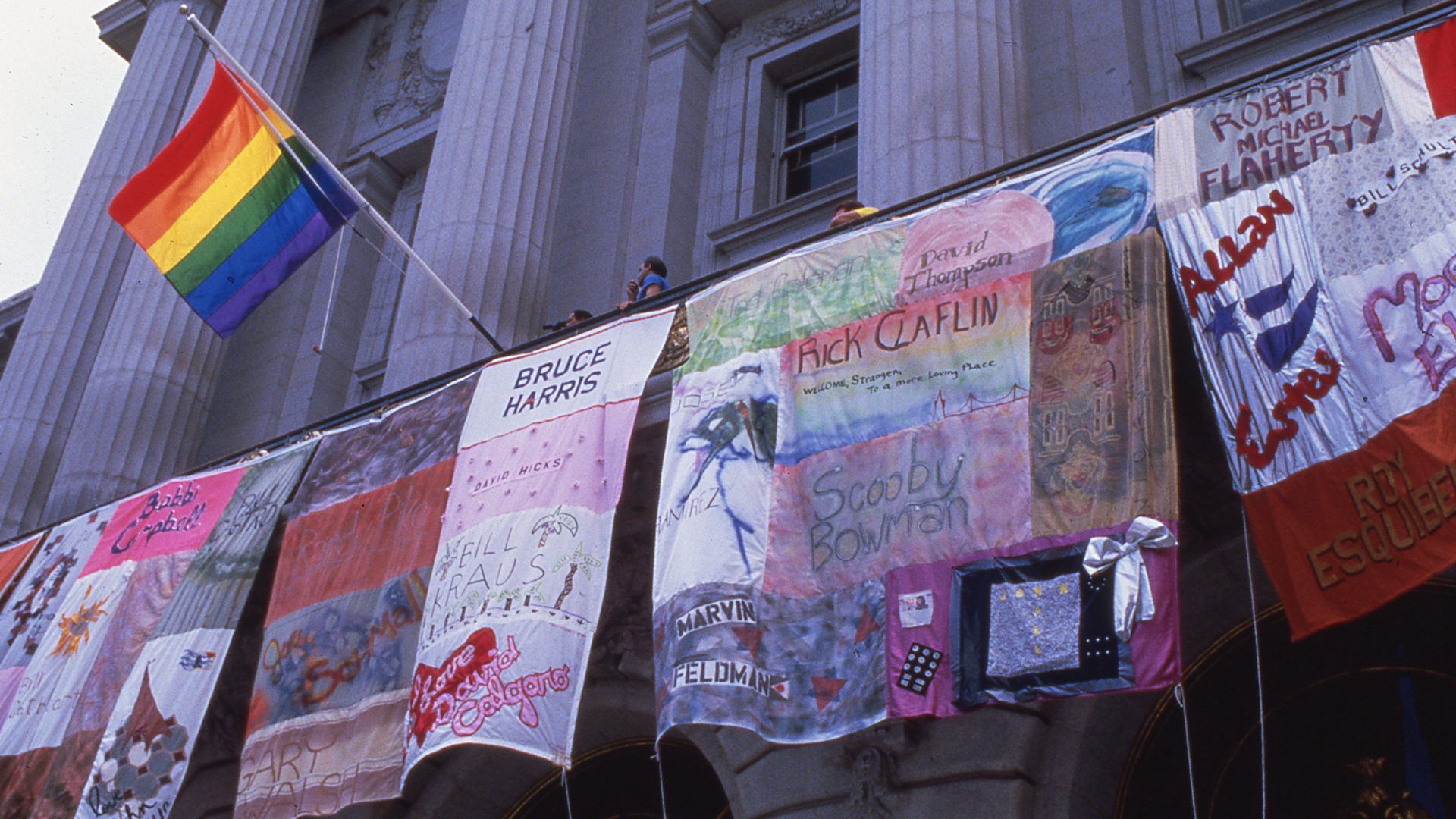
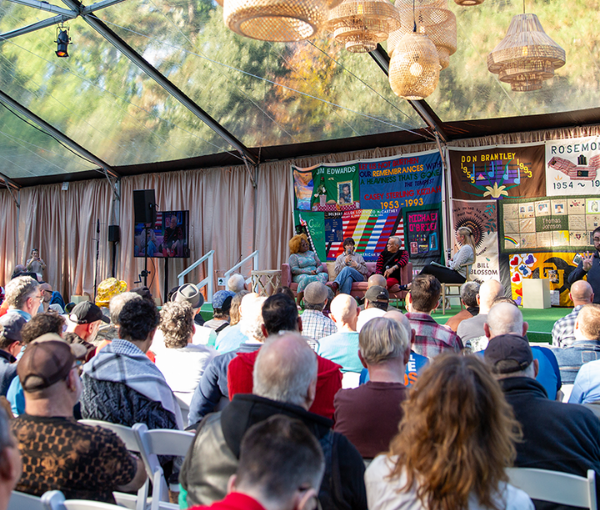
Each panel represents a life lost to HIV/AIDS and tells a personal story of love, remembrance, and activism. Quilt displays continue to serve as powerful educational and community-building events across the country.
In 2025, Quilt displays reached more than 1.5 million people through exhibitions and community events in hundreds of communities nationwide.
Through exhibitions like this, the Quilt continues to educate new generations about the impact of the HIV/AIDS epidemic and the activism that emerged in response.
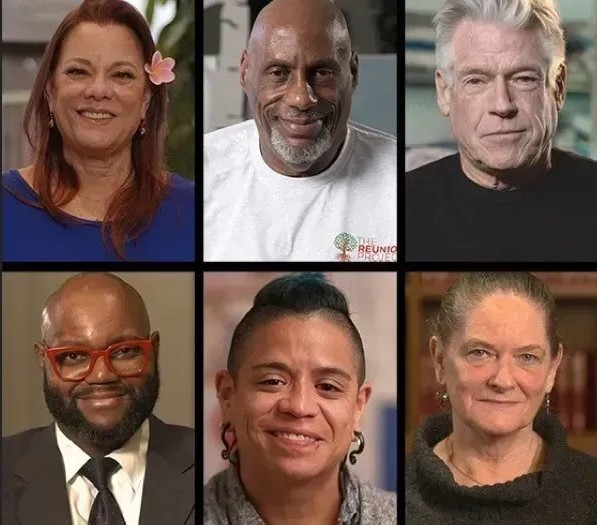
The series was created by filmmaker Jörg Fockele, whose work documents the stories of long-term survivors, advocates, caregivers, and community leaders whose voices might otherwise be lost to history.
These films have reached audiences across the country and have been featured in more than 10 national and international film festivals, helping ensure that the lessons of the HIV/AIDS crisis continue to inspire future generations.
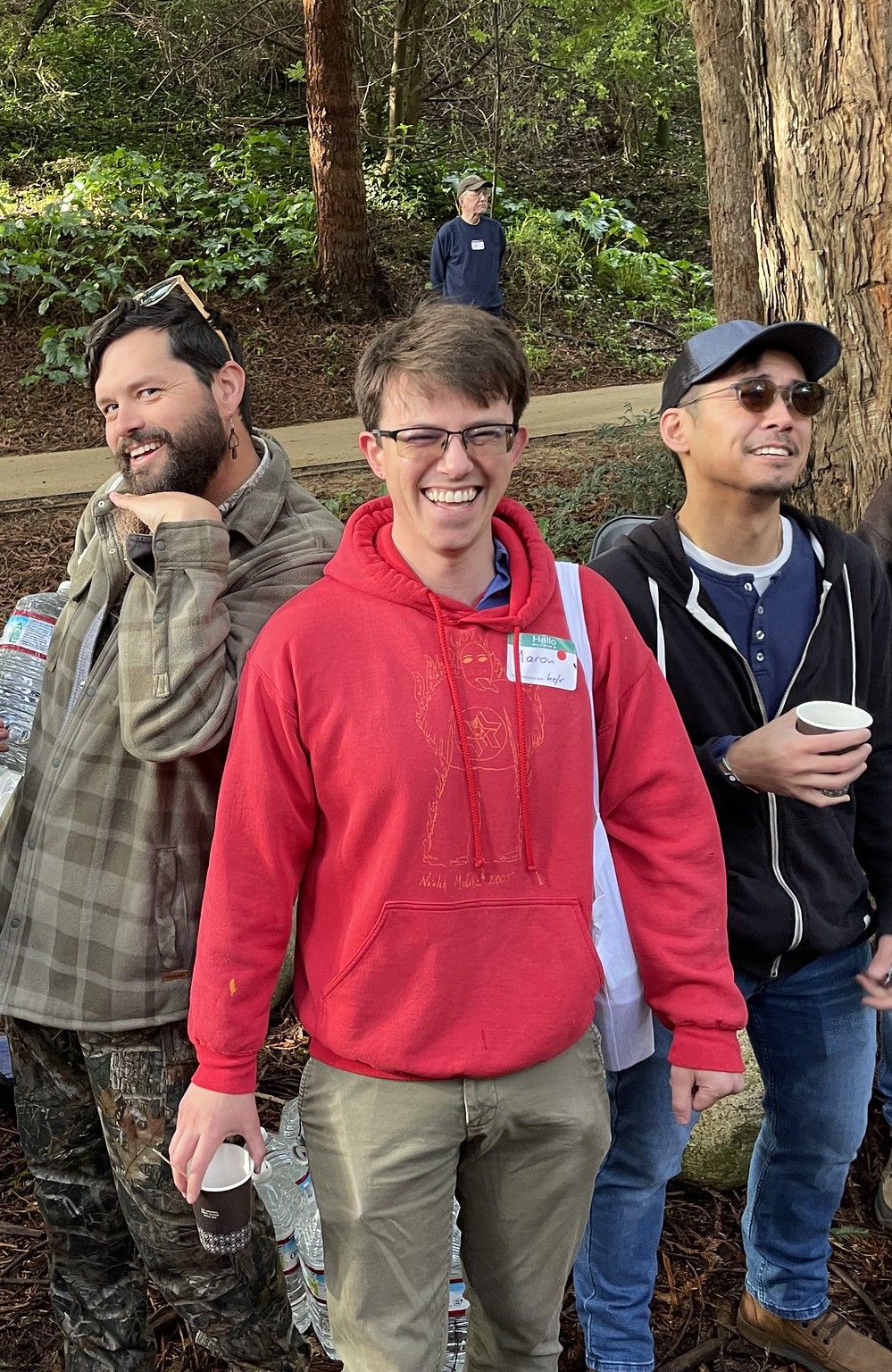
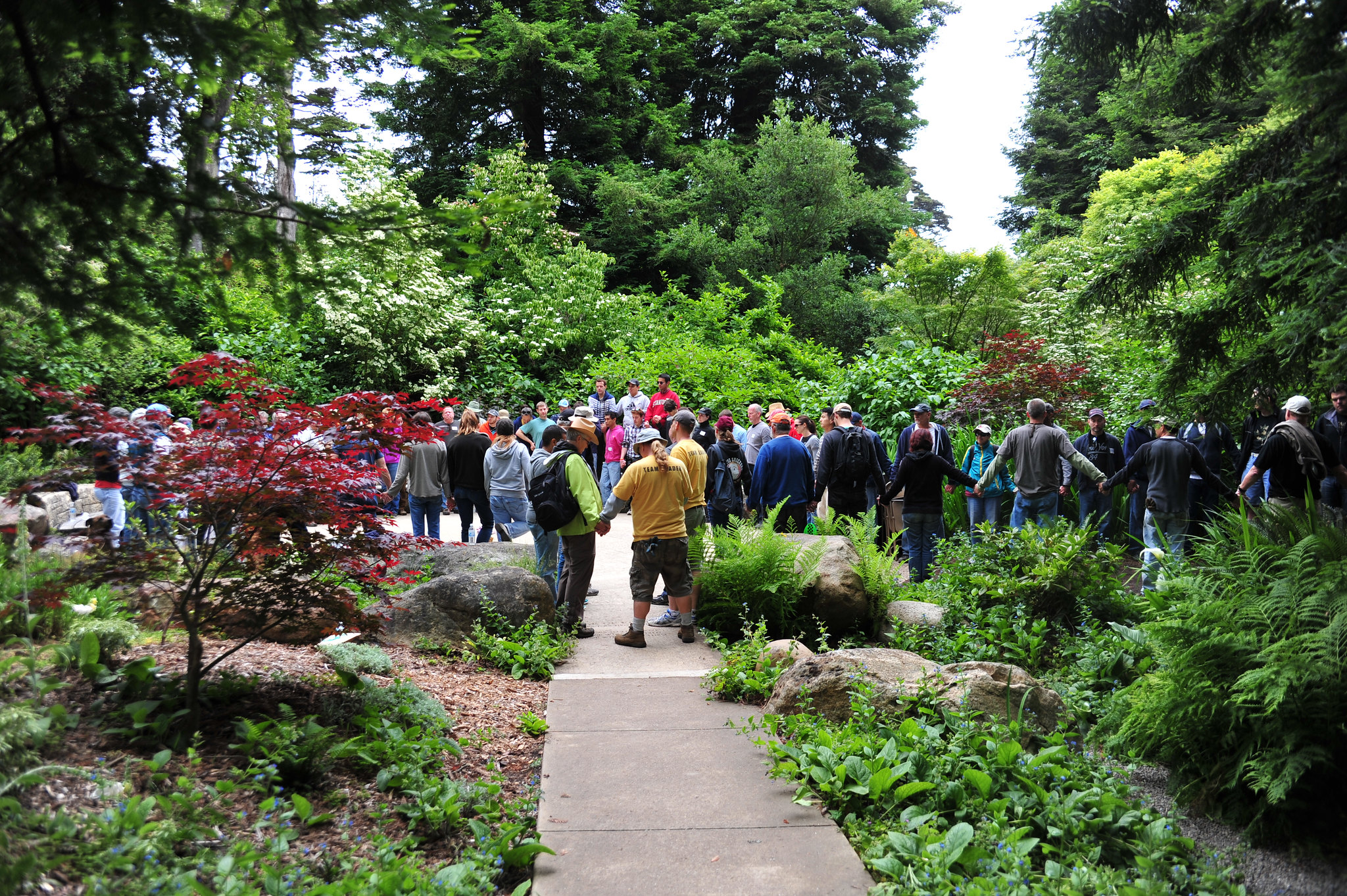
More than 2,000 volunteers contribute their time and energy each year to support the Memorial’s programs and steward the National AIDS Memorial Grove.
Volunteer leaders coordinate 31 Grove Workday Project Teams, ensuring that the Grove remains a place of remembrance, reflection, and healing for visitors from around the world.
“You don’t often find subjects that combine history, current relevance, and community art at this scale. There’s a power in standing for people around you. The change that people can make at a grassroots level is incredible. To move from fear and anger to transform into the power of activism. We are so grateful to have hosted the Quilt at the airport.”
- Daniel Calderon, the Curator of Exhibitions at the SFO Museum.
Scholarships: Supporting the Next Generation
The National AIDS Memorial scholarship program invests in young leaders working to advance health equity and social justice.
To date:
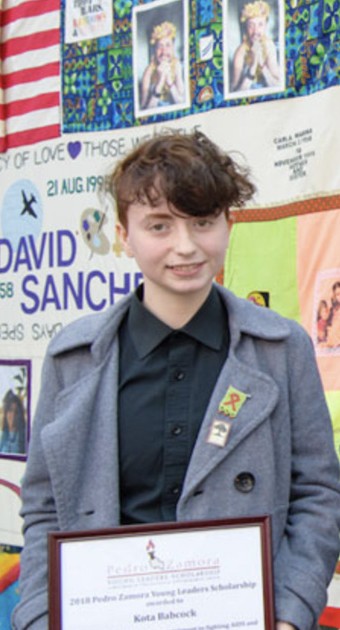
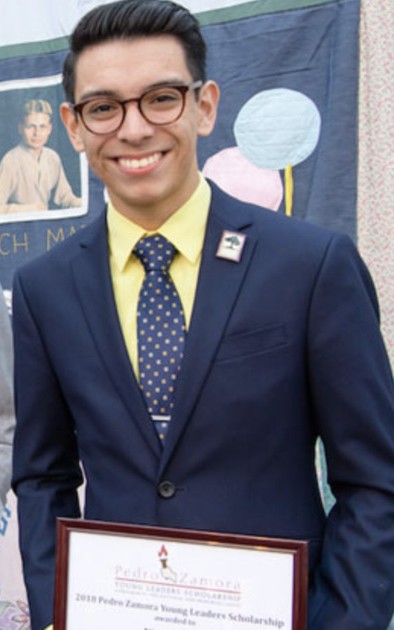
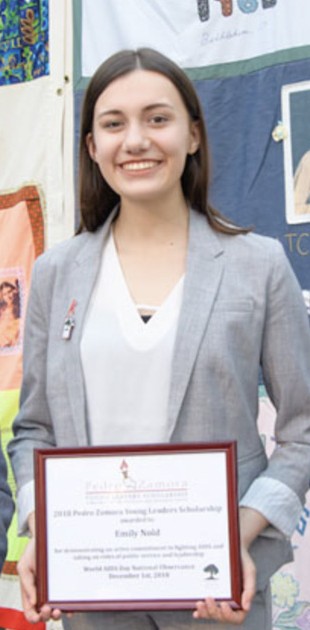
These scholars represent the next generation of advocates carrying forward the legacy of the HIV/AIDS movement.
“As Pedro Zamora’s legacy illuminates, our stories not only unite communities across state lines, but across generations; from the HIV/AIDS crisis to our current political moment, we should never expect to be done learning from and with each other.”
- Jordan Ho, 2025 Pedro Zamora Young Leaders Scholarship, is a third-year undergraduate at Lehigh University.
Financial Stewardship
How This Work Is Sustained
Our commitment to honoring the past and shaping the future is supported by a foundation of fiscal responsibility.
The National AIDS Memorial is dedicated to managing its resources with transparency and care, ensuring that every contribution supports meaningful and lasting impact.
Support from donors and partners helps sustain essential initiatives, including:
Ensuring the perpetual care and preservation of the National AIDS Memorial Grove.
Protecting the integrity of the AIDS Memorial Quilt as a national treasure.
Scaling storytelling programs, educational initiatives, and scholarships to reach new audiences across the country.
“At some point, AIDS will fade from public knowledge. When it does, the Quilt is the best way for people to understand it on two levels. Why did we let this happen, and how did we respond? We, as a community, took the reins and said “we got this” when our government and mainstream institutions failed us. Long after we are gone, the Quilt and Grove will stand for people to learn and understand. I want whatever resources I have left to go to ensure the Quilt and Grove keep standing,”
- Mike Smith, Legacy giving donor.
Looking Forward
How This Work Is Sustained
The National AIDS Memorial continues to evolve as a leader in preserving the history of the HIV/AIDS epidemic while inspiring action for the future.
As new generations encounter the history of the HIV/AIDS epidemic through the Quilt, the Grove, and our storytelling programs, the National AIDS Memorial continues to expand its role as a national center for remembrance, education, and advocacy.
Key initiatives shaping the years ahead include:
Together, these efforts will ensure that the National AIDS Memorial continues to serve as a powerful voice for remembrance, education, and justice.

Join the Movement
The work of the National AIDS Memorial is made possible through the dedication of volunteers, donors, and partners across the country.
Together, we honor the lives lost to HIV/AIDS while inspiring future generations to confront stigma, denial, and injustice.