

Honoring those Lost to HIV/AIDS

Emmy Award-winning actress Sheryl Lee Ralph was recently honored in Time Magazine's Women of the Year feature. On-screen, the Abbot Elementary actress has touched the lives of so many throughout her career. Her off-screen work has had a profound impact on countless others.
“It is Black women in the South—at numbers that are very high—that are being ignored, and that is why I chose to take the documentary cameras right to the women,” she said to Time Magazine. “Tell us your story, because your story matters. Your health matters. You matter just the way you are.”
"We lost half of our cast to AIDS... and nobody said anything about it," Sheryl Lee Ralph said in another recent interview.
Sheryl Lee Ralph x the AIDS Memorial Quilt
The National AIDS Memorial is no stranger to Sheryl Lee Ralph’s steadfast activism for those impacted by HIV/AIDS. She played a pivotal role in supporting our Change the Pattern initiative with the Southern AIDS Coalition and Gilead Sciences. Through Change the Pattern, we brought sections of the AIDS Memorial Quilt to communities in the Southern United States as a teaching tool in the fight against HIV/AIDS.
She shared these poignant words about the importance of addressing HIV/AIDS across the Southern United States in the 2020s:
Sheryl Lee Ralph’s AIDS Quilt Panels
Beyond her powerful message about the importance of the AIDS Quilt, Sheryl Lee Ralph has directly contributed to Quilt panels honoring those lost to HIV/AIDS. Ralph helped craft this Quilt block in Jackson, MS, during a Quilt panel-making workshop at New Bethel A.M.E. Church. These stories were written for our Change the Pattern campaign to honor lives lost to HIV/AIDS across the South.
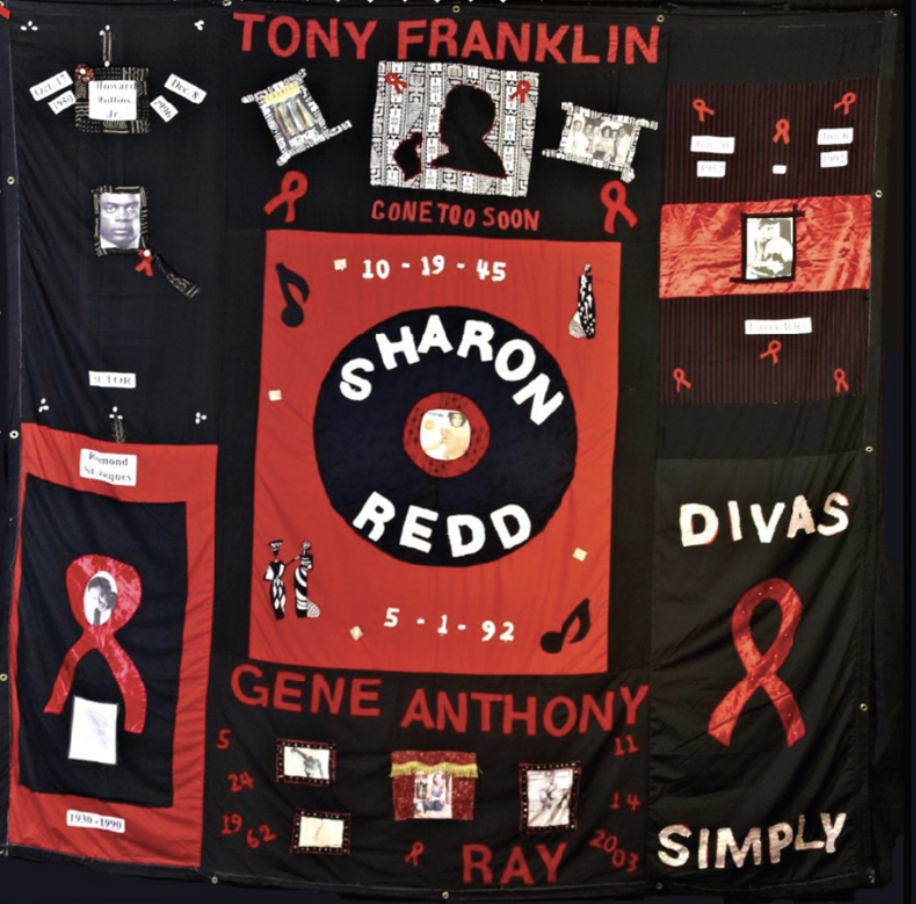
Gene Anthony Ray
Gene Anthony Ray grew up in Harlem, home to many iconic dance trends. Though Ray was not trained as a dancer, he honed his skills at block parties. Parties were a staple in New York City, and Ray hit all the scenes, including the ballroom, and scooped up all the prizes. No one could tell him he wasn’t the best disco mover around.
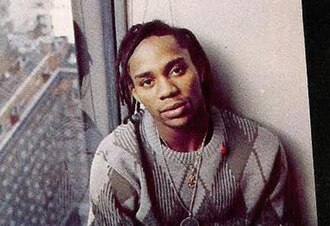
At only 17 years old, Ray skipped school to go audition for a dance movie. He was one of 2,800 teenagers trying out for a part, but all Ray wanted to do was dance. Little did he know this choice would change his life.
Ray became known as Leroy Johnson of the acclaimed movie and later TV show, Fame.
Ray embodied the song in his hips as he moved to the rhythm … Can you feel it? Can you feel it? CAN YOU FEEL IT? Yes, he might have been a little wild, but he was a sight to behold. Fame choreographer Louis Falco told the Daily Telegraph that watching Ray dance was like discovering Fred Astaire for the first time. At the height of Ray’s success, he had two secretaries to answer some 17,000 fan letters he received daily. But things got harder. From drug and alcohol addiction to family tragedies to sleeping on park benches.
Then in 1996, somehow life got even harder … Ray was diagnosed HIV Positive.
—And suffered a stroke in 2003. Gene Anthony Ray was an athlete and living proof that health is fragile, no matter how active you are.
Larry Riley
Larry Riley was born in Memphis, Tennessee—a place full of culture, community, and music. That’s where he found his roots, acting in high school and Memphis State, before making his professional debut in musicals like Shakespeare’s Cabaret and, in Dreamgirls, playing the coveted role of “Curtis’, and soap operas The Doctors, and Knots Landing.
Larry struggled with alcohol and drug addiction, and, in 1989, he got enough courage to check himself into rehab, only to find out he was HIV positive the next year. Larry didn’t want people to look at him differently, so he never told his job, or friends—he never told anyone but his wife. When Larry started to lose weight, he told people he was suffering from kidney failure. But still showed up for his role on Knots Landing till the day he died. On June 6, 1992, in Burbank, California, fourteen days after his 39th Birthday.
But Larry Riley is still here ... because of his son, his wife, friends, and family, who’ve done so much to keep his memory alive. The Ostrander Awards in Memphis presented the Larry Riley Award to young collegiate thespians on the community theatre scene every year since his death. Friends like Sheryl Lee Ralph commissioned Larry’s panel. Adorned with influences of theater and other interests he had right on it—a great way to know Larry Riley without ever meeting him.
How You Can Honor Somebody Lost to HIV/AIDS
Thank you again to Sheryl Lee Ralph for these beautiful memorials to Gene Anthony Ray and Larry Riley.
You don’t have to be an artist or sewing expert to create a moving personal tribute remembering a life lost to HIV/AIDS. Making an AIDS Quilt panel is not as complicated as many people think. It doesn’t matter if you use paint or fine needlework, iron-on transfers or handmade appliques, or even spray paint on a sheet. Any remembrance is appropriate.
Learn how you can honor someone lost to HIV/AIDS:
