

*This post features the story of a generous Legacy Giving donor who has asked to remain anonymous. We are grateful for their support and are using the name Renee Martin to respect their privacy.
“What do I want my legacy to be?” This question is asked every day by those who will not accept the world as it is. For many, the answer emerges from personal encounters with injustice — lived experiences — unacceptable truths that demand to be seen, heard, and changed.
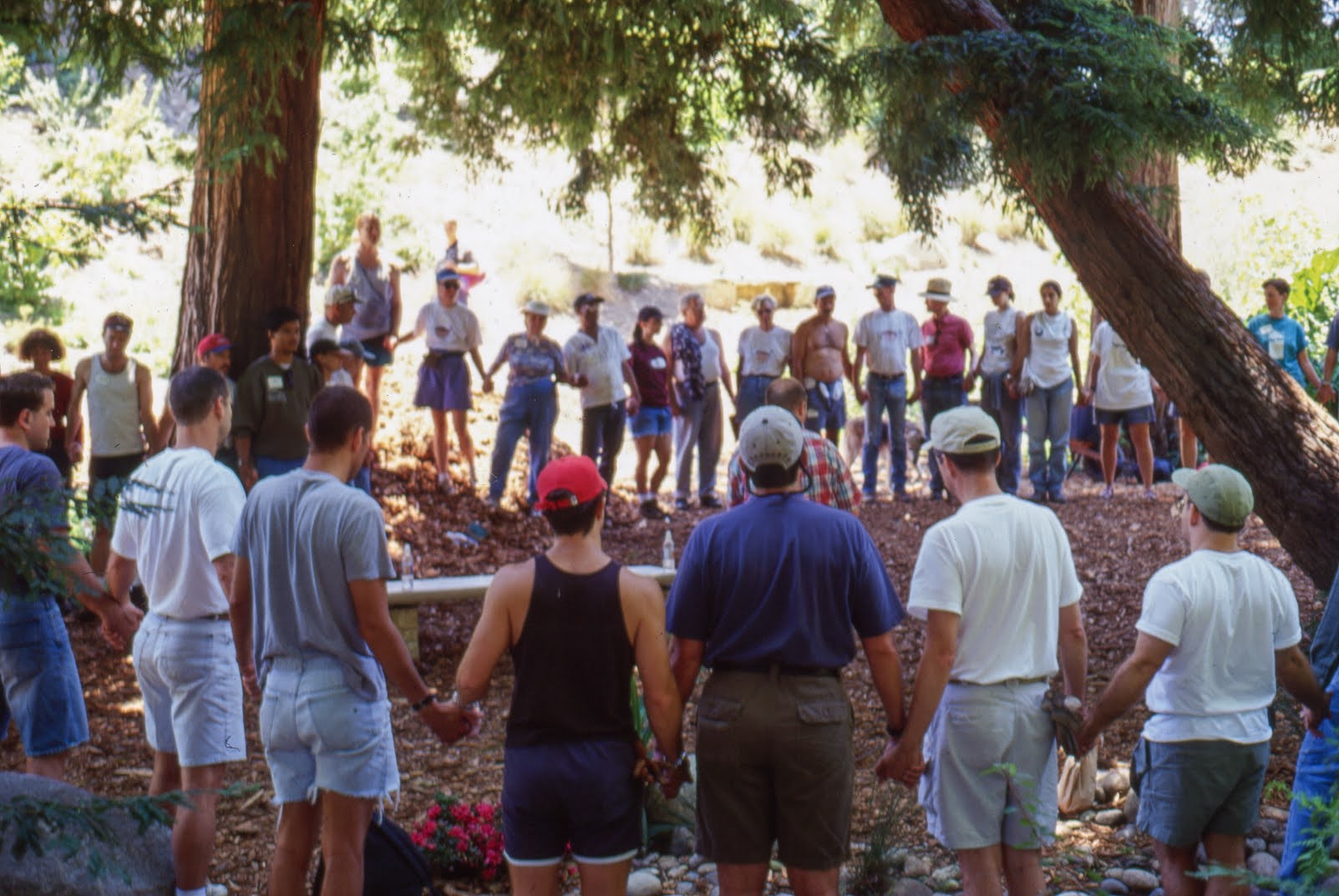
When Renee Martin moved to San Francisco in 1983, she found herself at the heart of a crisis that ravaged communities throughout the city. In the early ‘80s, HIV/AIDS was running rampant across the country. At work, Renee quickly learned how to tell which of her friends and co-workers were sick. “It was impossible to hide it back then,” Renee recalls vividly. Without treatment, the physical toll that AIDS takes on a person’s body is visible to all. Each month, it chips away more and more until there’s little left.
And it was everywhere. “When an employee would knock on my door and ask if I had a minute, I had a sense of what it might be about,” Renee remembers about the many lives HIV/AIDS took from her place of employment. “These were bright, young, talented people who died.” And in response to this widespread sickness and loss? Spurred by stigma and prejudice, those in power were as quiet as the deaths of many of those afflicted.
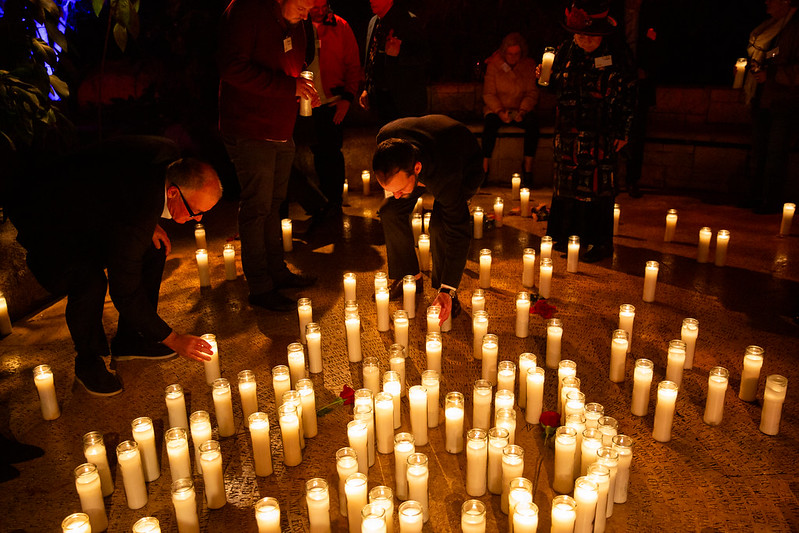
“That’s what got me involved in the beginning,” Renee says about her drive towards activism. For decades, she has collaborated with organizations fighting for health and social justice in her personal life. She has spent countless hours volunteering with organizations fighting for HIV/AIDS justice. In addition, Renee has honored the memories of those lost through permanent engravings in the National AIDS Memorial Grove’s Circle of Friends, known as the heart of the Grove, ensuring their lives are not forgotten.
Why Is It Important to Fight for HIV/AIDS Justice Today?
“I meet a lot of young people who don’t know the history of AIDS, but they need to know the full story,” Renee says about fighting for HIV/AIDS justice in the 2020s. As HIV/AIDS continues to fade from public discourse, the memories of those who died in the face of both an indifferent government and society at large, will fade without action. “It’s important to remember those people who are no longer around, many of whose own families turned their backs on them.”
In addition to the memories of those we lost, the history and lessons learned from the HIV/AIDS crisis are at risk of being forgotten. Younger generations must therefore understand the destructive nature of stigma, discrimination, and hate, as marginalized communities will always face these cruel realities, and history will otherwise repeat itself.
The activist HIV/AIDS community movement that resulted from the inaction, injustice, and prejudice of the HIV/AIDS crisis provides a blueprint for fact-based change. This blueprint is important now more than ever. “All these years later, it’s happening again,” Renee says about the pressing health and social justice crises of today. By teaching new generations how past activists have successfully created transformational change, we can inspire young activists to take action in the fight for a just future for all people.
What Legacy Will You Leave Behind?
“What I worry about is that over time, if AIDS disappears more and more from the radar, money will be needed in the future to keep the legacy of those people alive,” Renee says about why the National AIDS Memorial is in her estate plan and why she proudly joined the Memorial Legacy Circle.
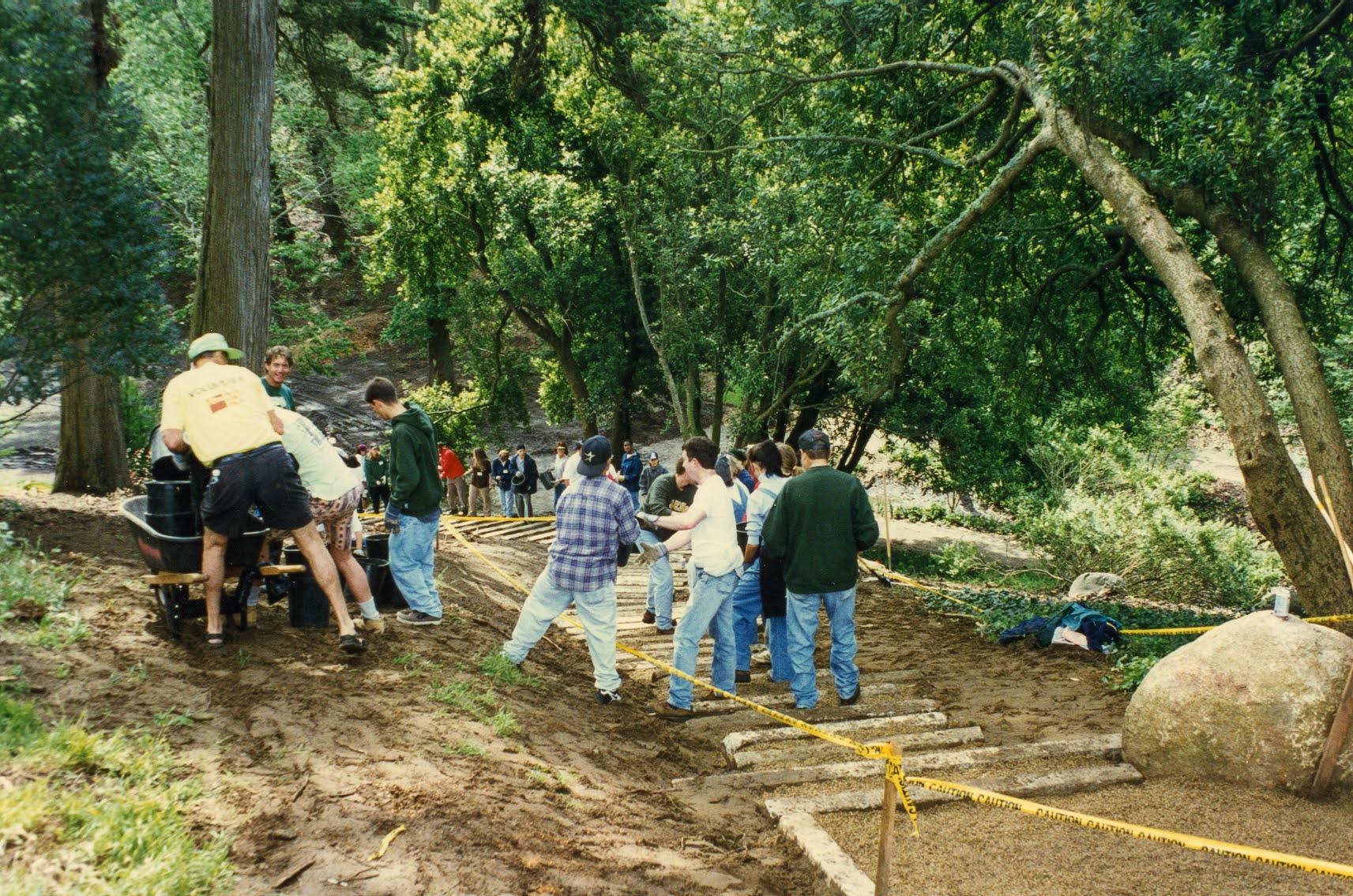
Through the iconic National AIDS Memorial Grove and AIDS Memorial Quilt, the National AIDS Memorial honors and remembers, in perpetuity, the lives lost to HIV/AIDS. It mobilizes communities together around those memories and prompts action in the pressing health and social justice crises of today. Renee’s legacy gift will ensure that the National AIDS Memorial continues to honor lives lost and drive change for years to come.
“The people who are involved are really good people,” Renee explains about why she chose to support the National AIDS Memorial in particular. “They care. For me, in a way, it’s a personal connection to people who’ve done incredible work.”
Thank you, Renee, for your support of those lost to HIV/AIDS and your belief in the mission of the National AIDS Memorial.
